
At Xinghana, conservation is more than a philosophy—it is part of everyday life. Situated within Karingani Game Reserve, the lodge supports a long-term commitment to protecting wildlife, restoring ecosystems, and creating meaningful opportunities for neighbouring communities.


At Karingani, we have an integrated and enduring vision of becoming a world-leader in sustainable conservation and nature-based tourism. Our goal is to restore, enhance and maintain the natural ecological processes and biodiversity of Karingani through an effective and sustainable partnership between the Mozambican Government, private investors and participating communities. We strive to promote diversity, equity and inclusion at Karingani.
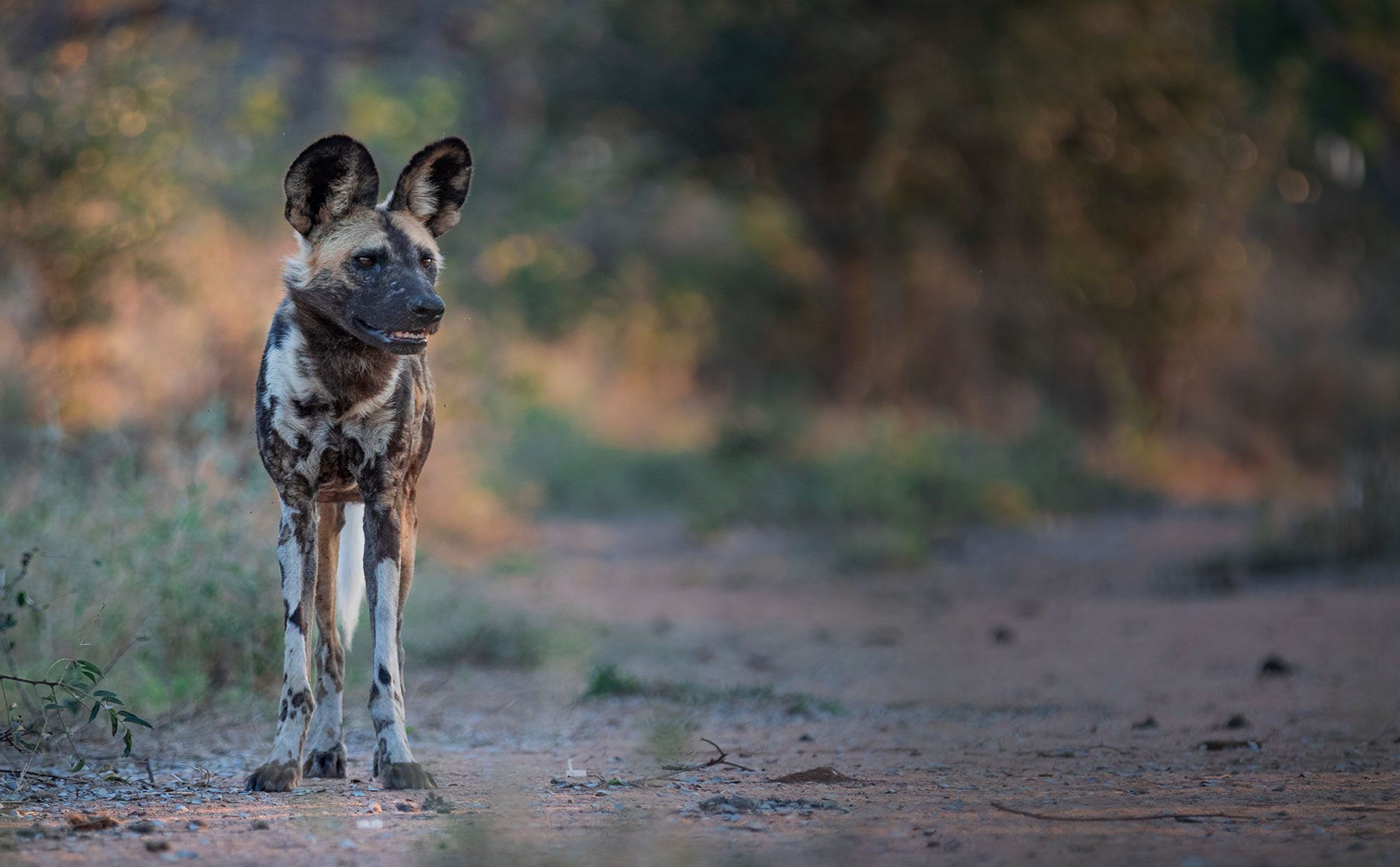
The Wild Dog Range Expansion Project is working to restore safe space for one of Africa’s most endangered predators. In Mozambique, this effort brings together conservation organisations, researchers and protected landscapes working toward the same goal.
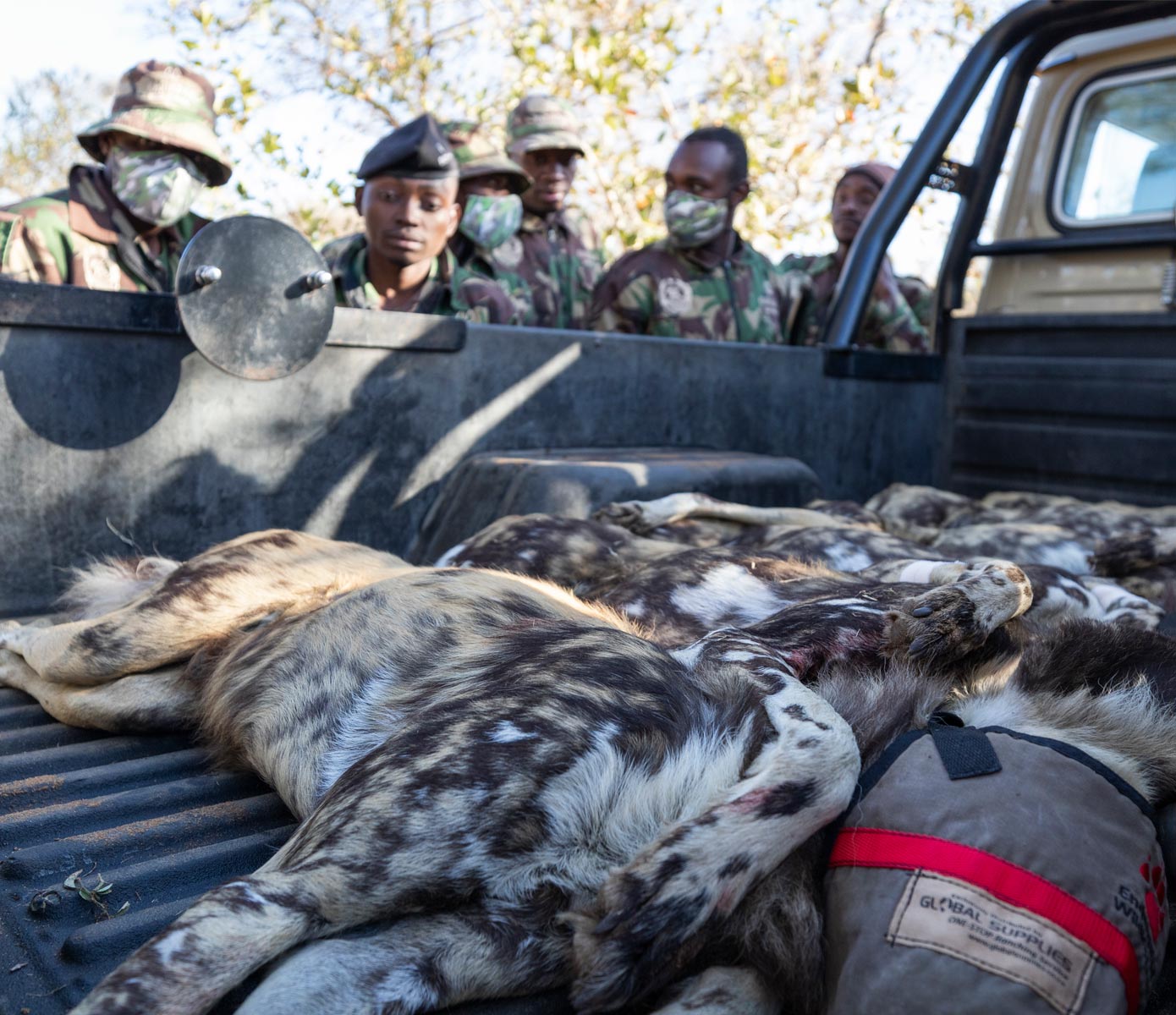
Within this initiative, Karingani was identified as a suitable landscape for African Wild Dog reintroduction. In 2019, a founding pack of 13 dogs were introduced, supported by the Endangered Wildlife Trust.
Today, the population has grown to 33 individuals across two packs, a meaningful outcome for a species with fewer than 6,600 remaining in the wild.
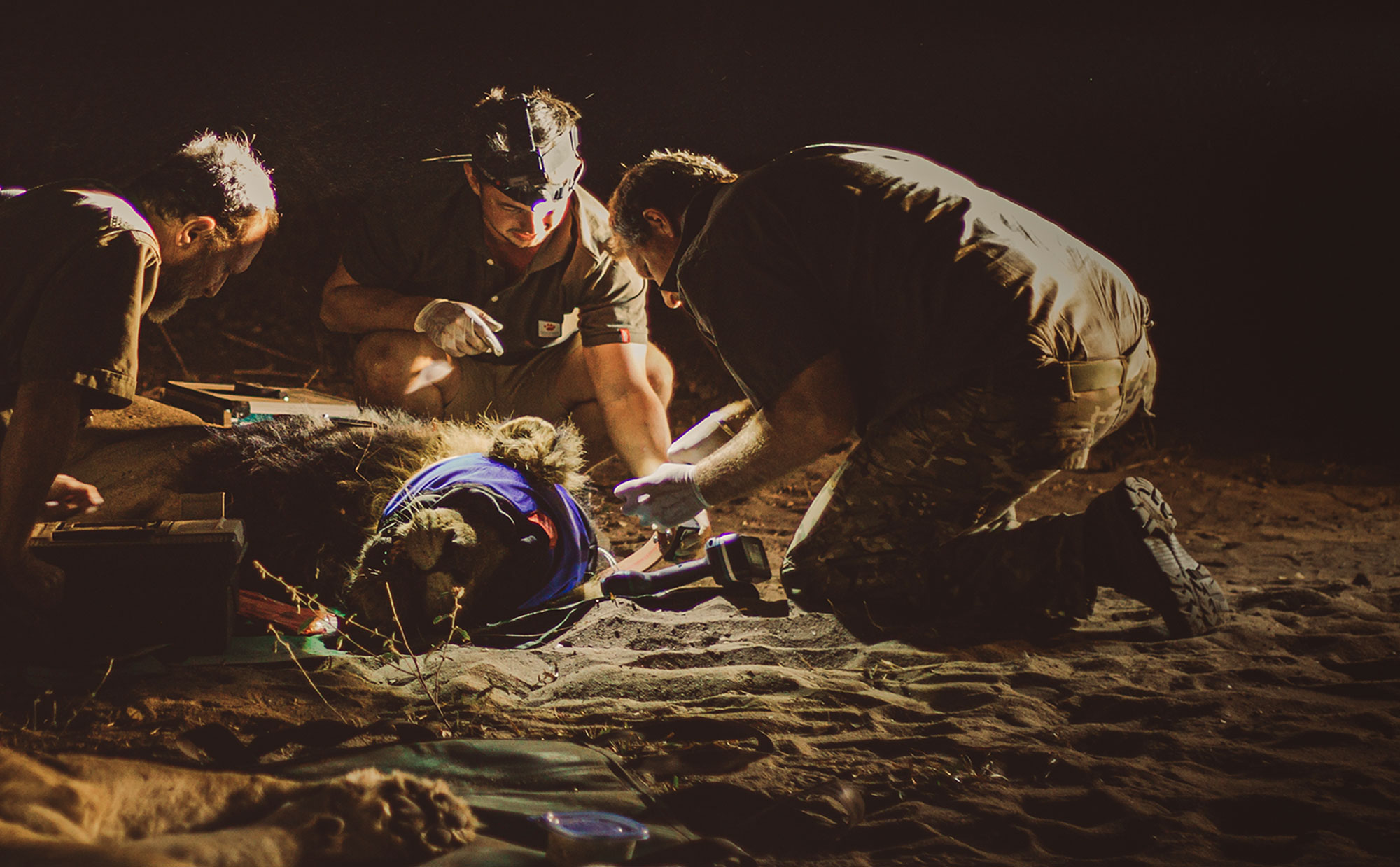
The predator collaring programme is building a detailed understanding of wildlife movement and behaviour across the reserve. Wild dogs, lions, spotted hyenas and elephants are fitted with tracking collars to map home ranges, identify breeding and den sites, monitor population sizes, and understand how animals move within Karingani and neighbouring protected areas.
Alongside this, the Predator Habituation Programme sees trained community wildlife trackers monitoring predators on a daily basis while gradually acclimatising them to vehicles. The initiative supports ongoing research, enhances future wildlife viewing opportunities, and will include the collaring of two leopards in 2026 to better understand their ecology, predator–prey dynamics and tourism potential.
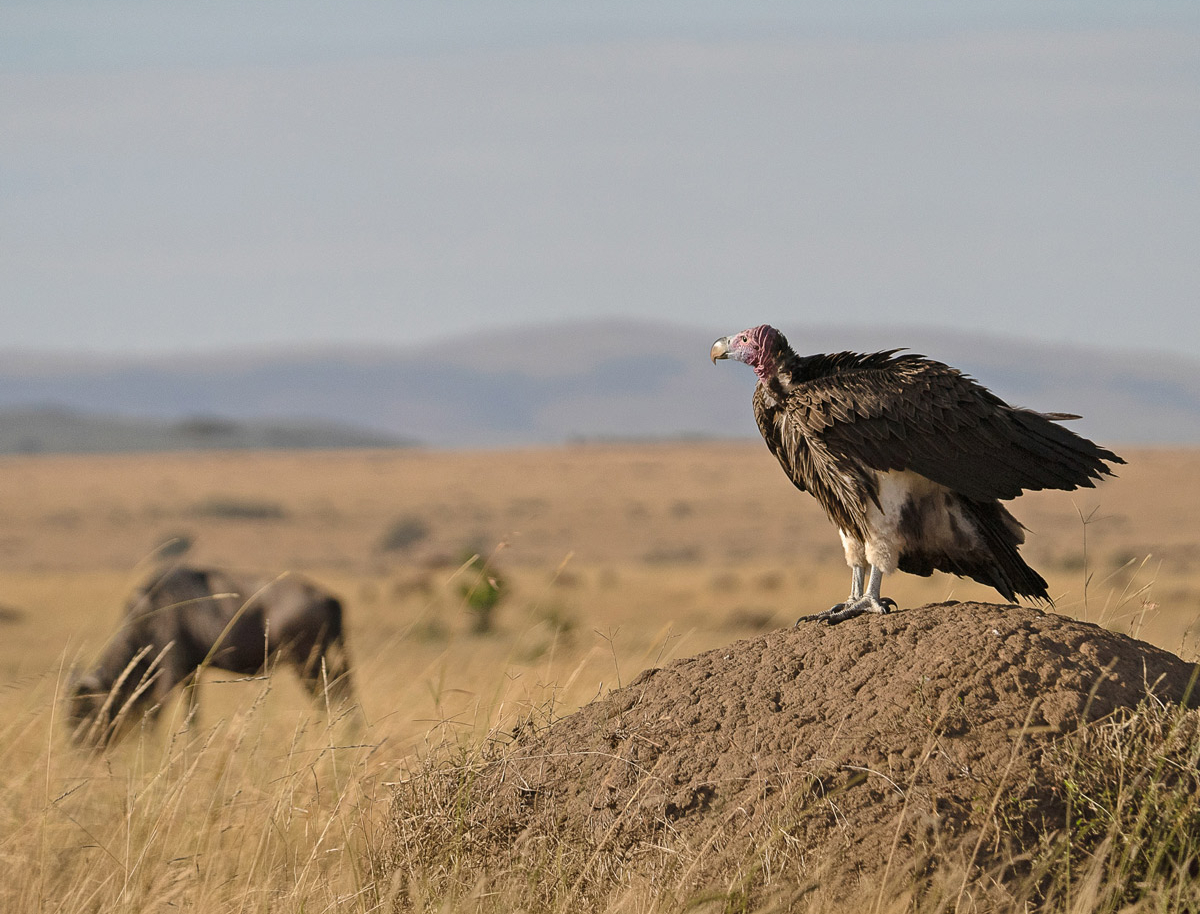
In partnership with the Endangered Wildlife Trust (EWT), Karingani also runs a vulture tagging programme. Tracking devices fitted to nesting vultures provide valuable data on breeding activity, movement and distribution, while contributing to a broader understanding of ecosystem health and predator–prey relationships.
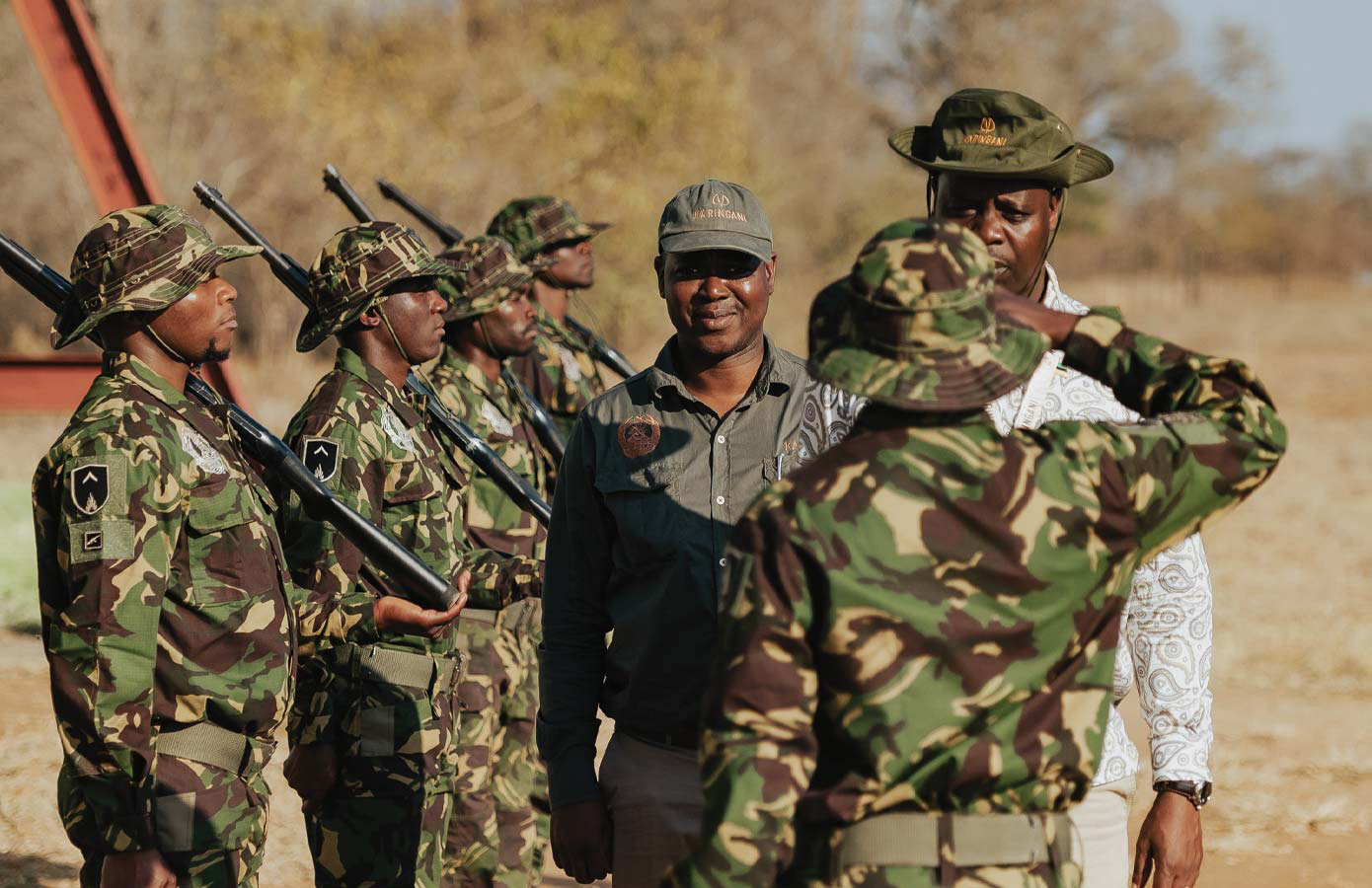
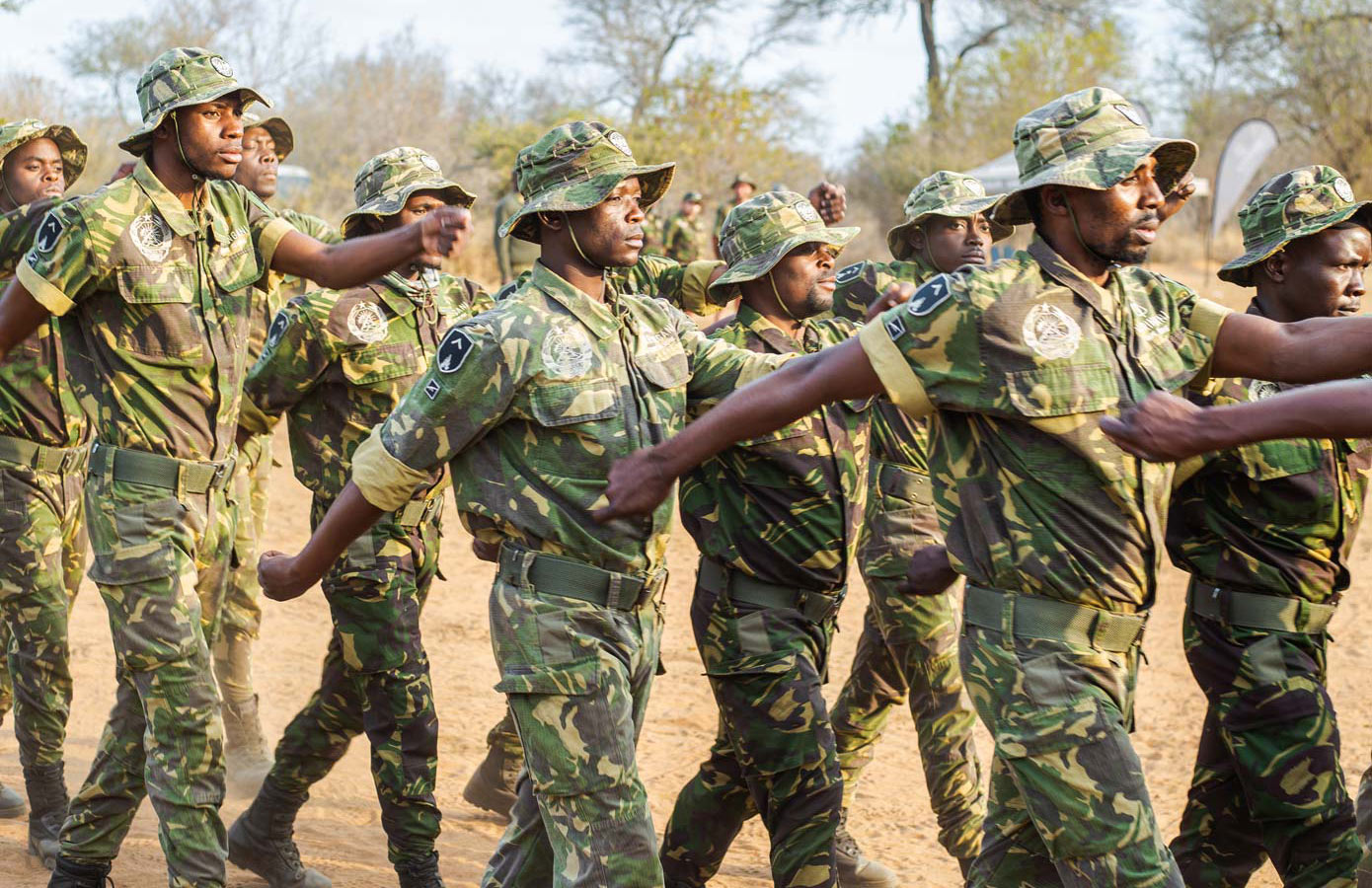
Dedicated anti-poaching teams work year-round to protect Karingani’s wildlife and preserve the integrity of this important ecosystem for future generations.
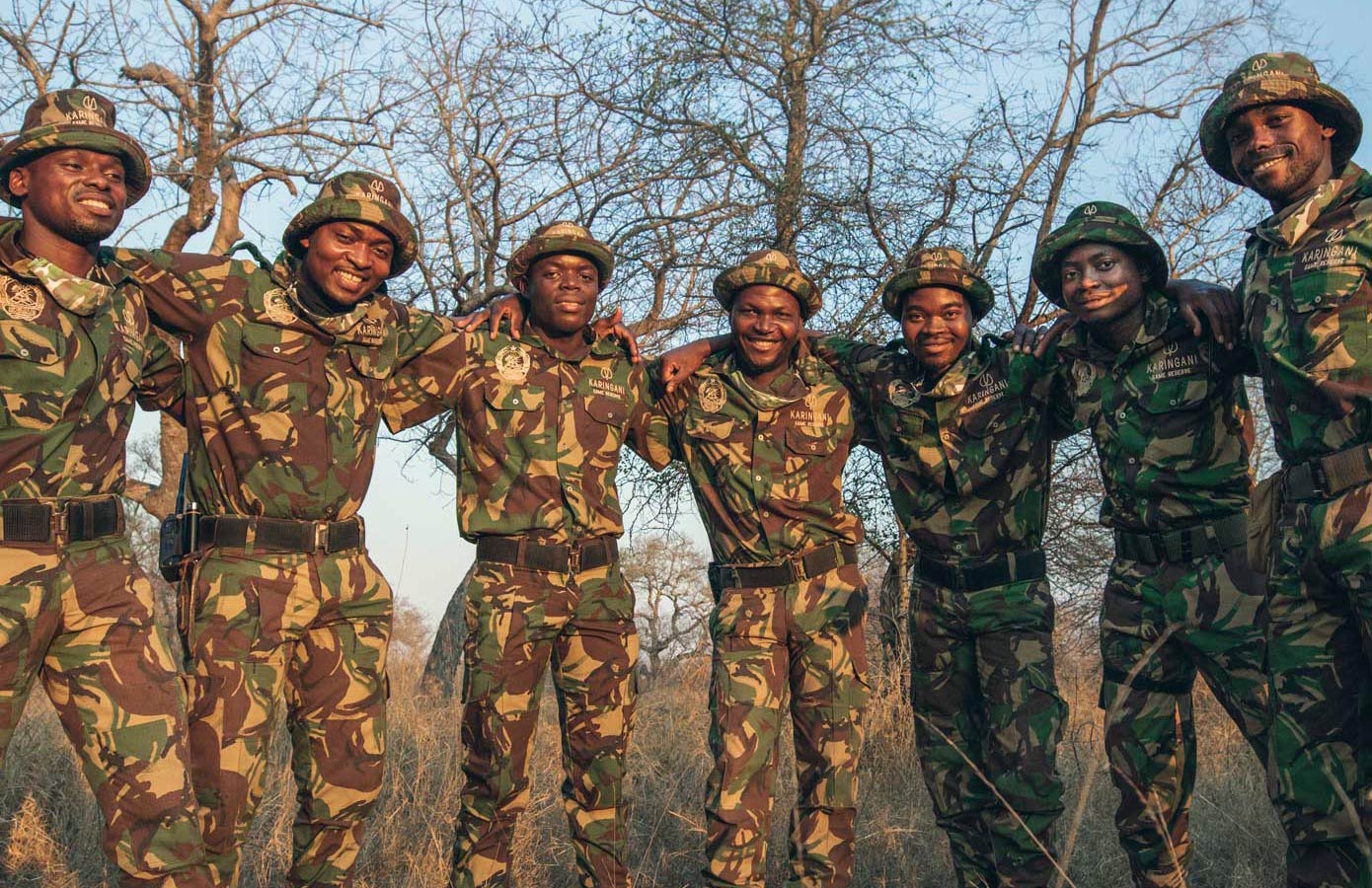
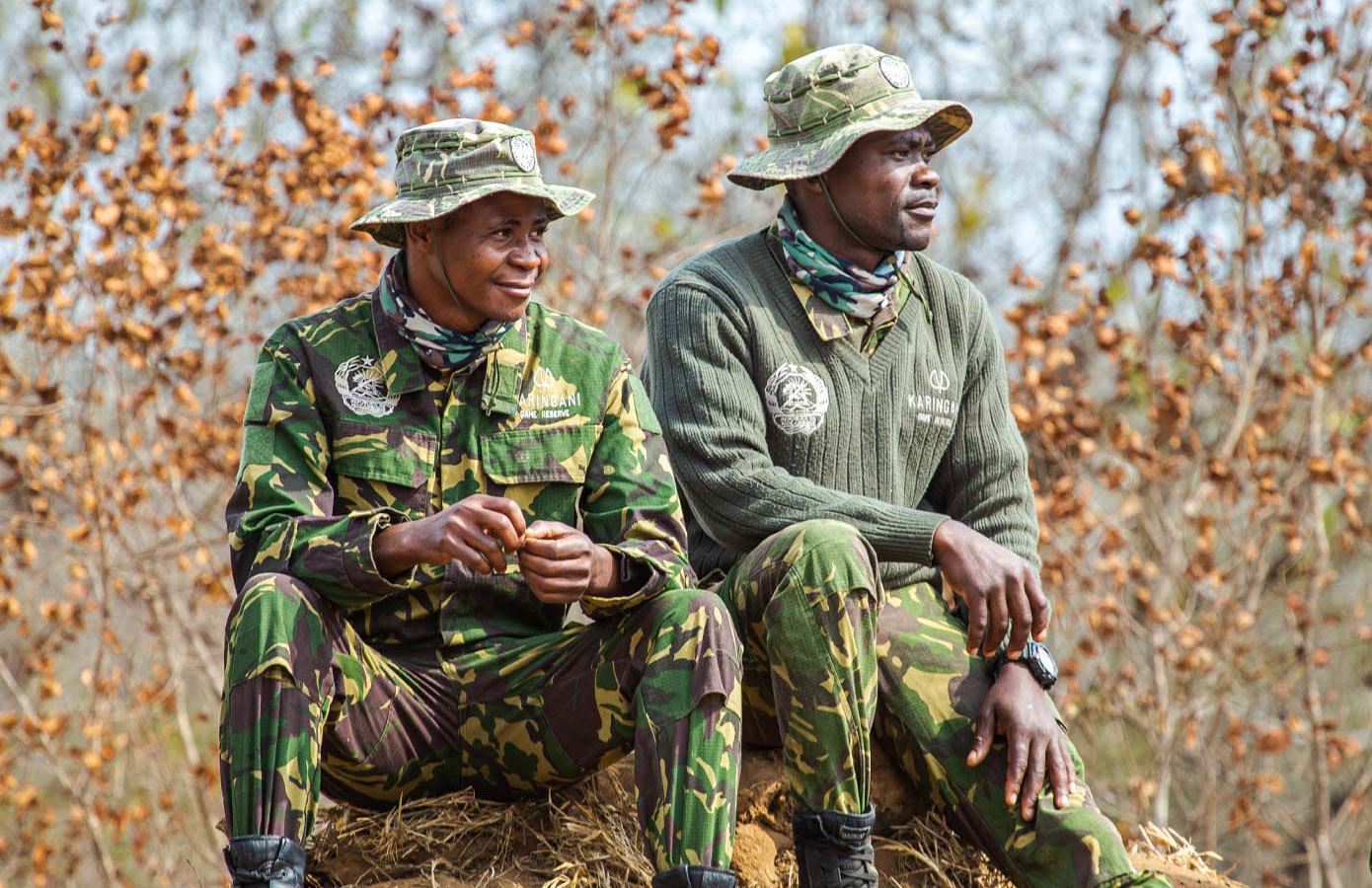
Working alongside neighbouring communities and conservation partners, Karingani implements practical measures to reduce human–wildlife conflict while protecting both local livelihoods and wildlife.
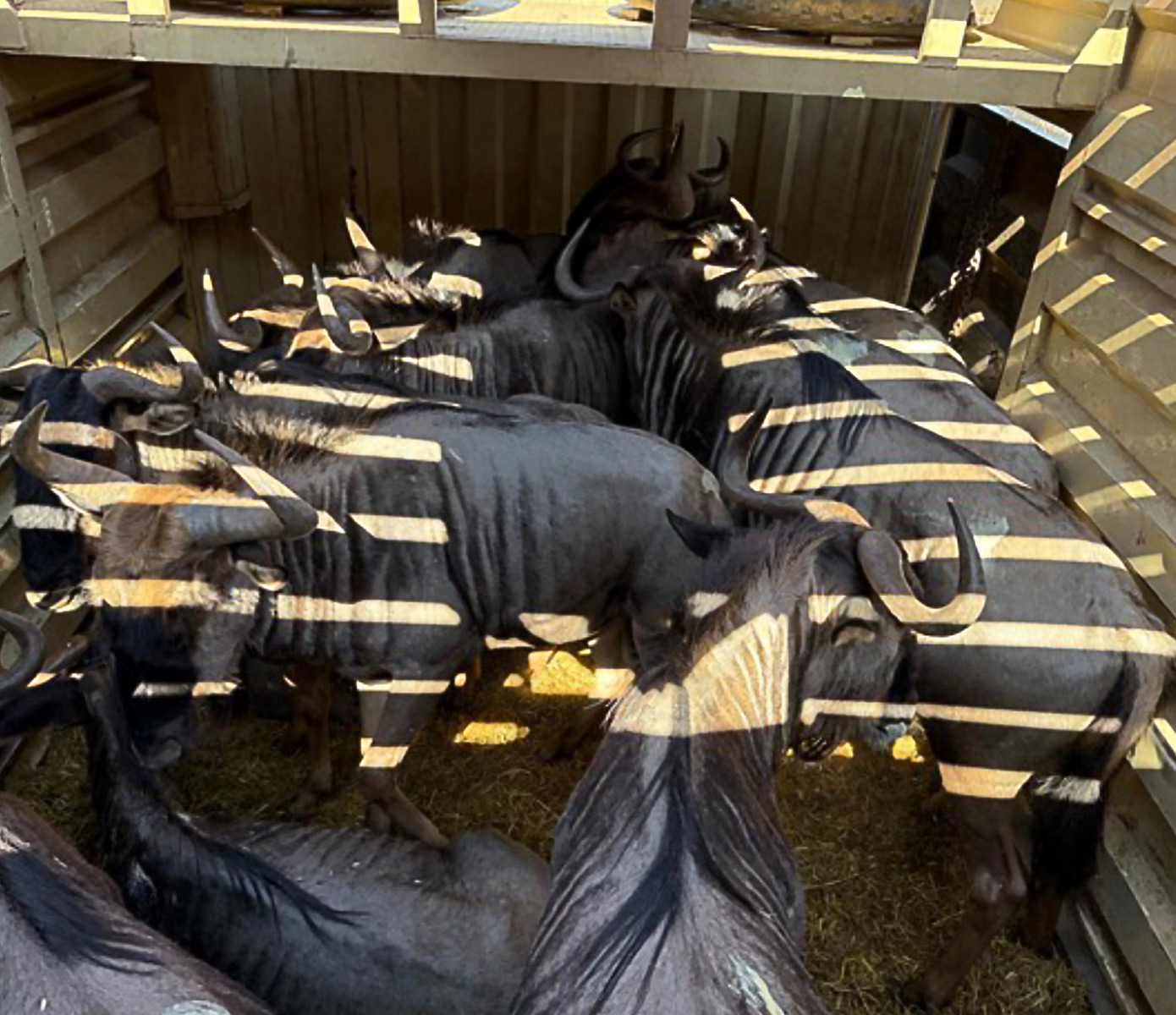
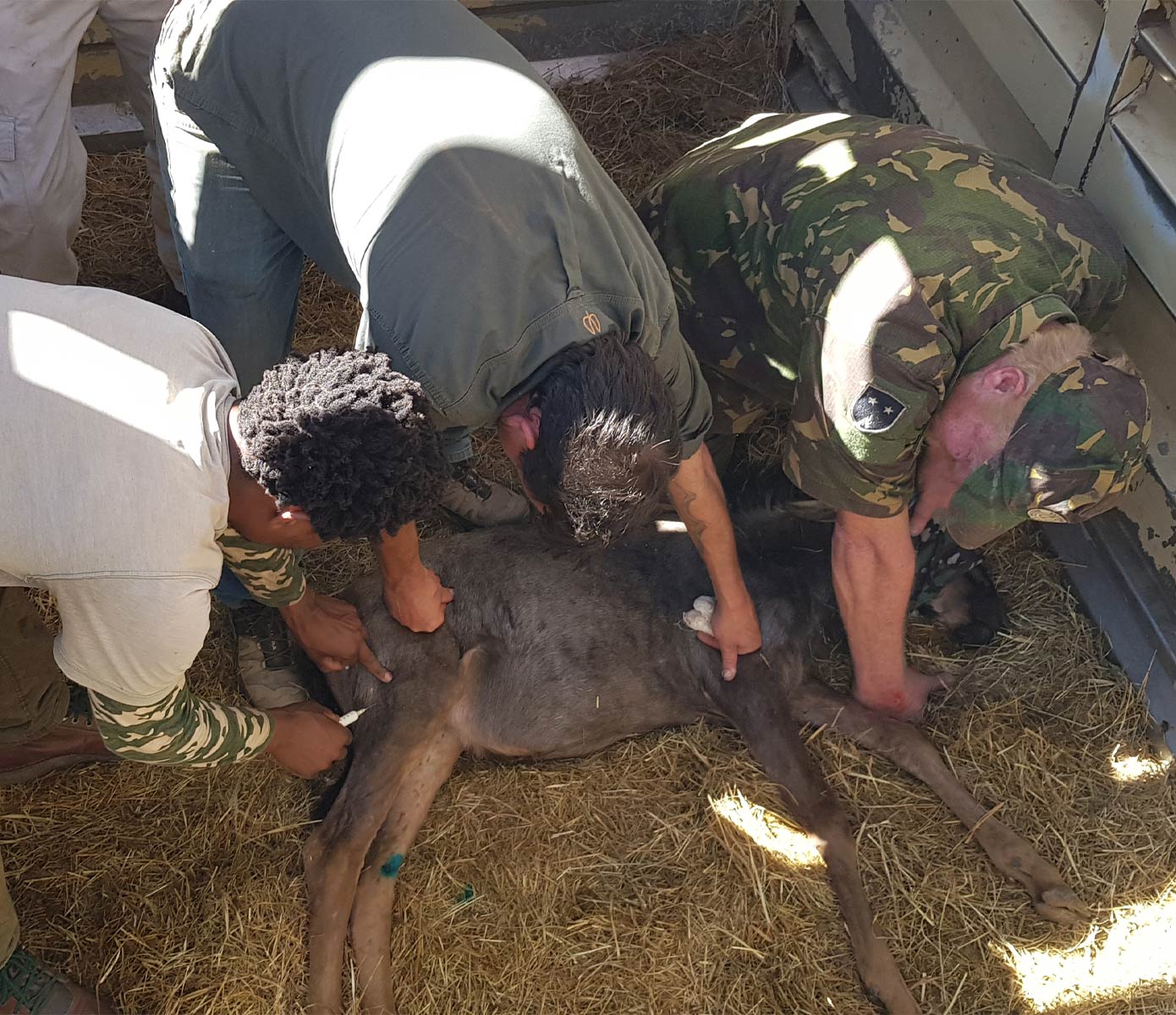
A key focus of Karingani’s conservation efforts has been the restoration of healthy wildlife populations through carefully managed reintroduction programmes and habitat protection. Through careful conservation management, anti-poaching efforts, habitat restoration, and wildlife introductions, Karingani continues to evolve into one of Southern Africa’s significant conservation landscapes.
Today, the population has grown to 33 individuals across two packs, a meaningful outcome for a species with fewer than 6,600 remaining in the wild.
Complete the form and we’ll help bring your African journey to life.